In This Article
In the competitive world of exterior siding, one material has steadily captured market share year after year: fiber cement. In the Mid-Atlantic market specifically — Maryland, Delaware, Virginia, and Pennsylvania — fiber cement (primarily fiber cement) now dominates new construction and remodeling. Here's why.
1. Engineered for Our Climate
Maryland's climate is brutal on siding: humid summers, cold winters with freeze-thaw cycles, intense UV exposure, and occasional severe storms. Fiber cement was literally engineered for these conditions. fiber cement even manufactures region-specific products — their HZ5 formulation is designed specifically for climates with freeze-thaw cycles.
2. Fire and Pest Resistance
Fiber cement is non-combustible (Class 1A fire rating) and completely unappetizing to termites, carpenter ants, and woodpeckers. In a region where termites cause millions in damage annually, this is a significant advantage. Insurance companies often offer premium discounts for fiber cement siding.
3. Design Versatility
fiber cement offers an enormous range of profiles: horizontal lap siding, vertical board-and-batten, shingle panels, and trim in virtually any dimension. The ColorPlus technology provides factory-applied finishes in 700+ colors with a 15-year color warranty. You can achieve virtually any architectural style — from traditional to ultra-contemporary.
4. Long-Term Value
Fiber cement siding recoups approximately 68-80% of its cost at resale — among the highest ROIs of any home improvement. More importantly, it eliminates the ongoing painting, staining, and repair costs associated with wood siding, and lasts 2-3x longer than vinyl. Over a 50-year period, fiber cement typically costs less than vinyl when you factor in replacement cycles.
5. Dimensional Stability
Unlike vinyl (which can warp, buckle, and gap in temperature extremes) and wood (which swells and contracts with moisture), fiber cement maintains its shape and dimensions across all weather conditions. Joints stay tight, profiles stay straight, and the overall appearance remains consistent for decades.
The Installation Difference
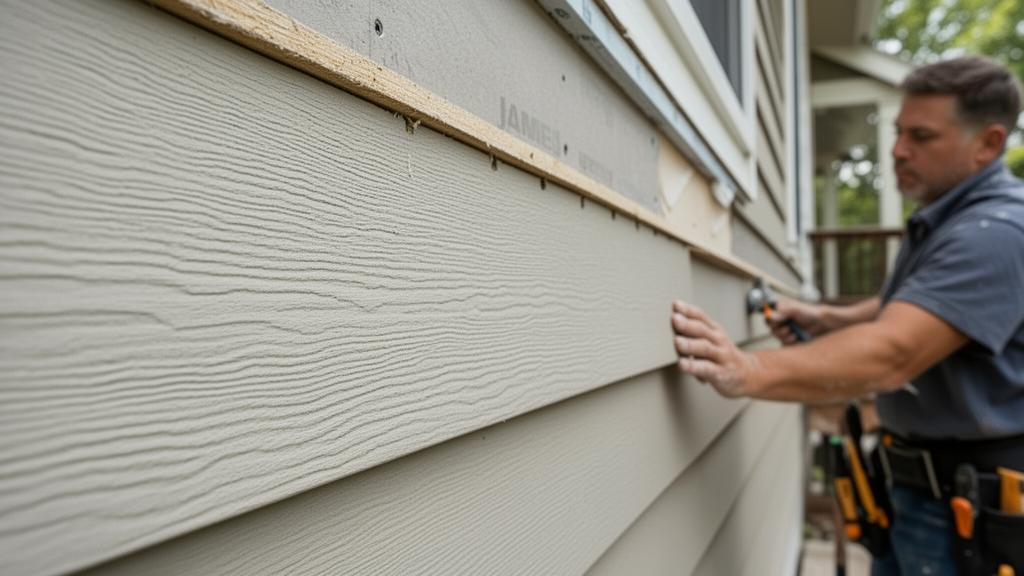
Fiber cement's superior performance depends on proper installation. It requires specialized cutting tools (to manage silica dust), precise nailing patterns, and correct clearances from grade level. Not every siding installer has the training and equipment for fiber cement — choosing a fiber cement certified contractor like PCR ensures the material performs as designed.