
In This Article
How to Protect Your Home’s Exterior During Severe Summer Storms
Severe summer storms in Maryland can roll in fast — bringing heavy rain, high winds, hail, falling branches, and sudden power outages. When your home’s exterior is prepared, storms are an inconvenience. When it isn’t, they can turn into leaks, costly repairs, and stressful insurance claims.
The good news: most storm-related exterior damage is preventable with smart preparation and a few proactive upgrades.
Below is a practical guide to protecting your roof, windows, and siding before, during, and after severe summer weather.
Why Summer Storms Cause So Much Exterior Damage
Summer storms tend to be more destructive because they combine multiple threats at once:
- Wind gusts that lift shingles and loosen siding
- Wind-driven rain that forces water into small gaps
- Hail impact that bruises shingles and dents materials
- Saturated soil that weakens trees and increases falling limbs
- Rapid temperature changes that stress exterior materials
Your home’s exterior only performs as well as its weakest point. That’s why targeted prevention is so effective.
Protect Your Roof Before Storm Season Hits
Your roof takes the first and hardest hit in severe weather. Start here.
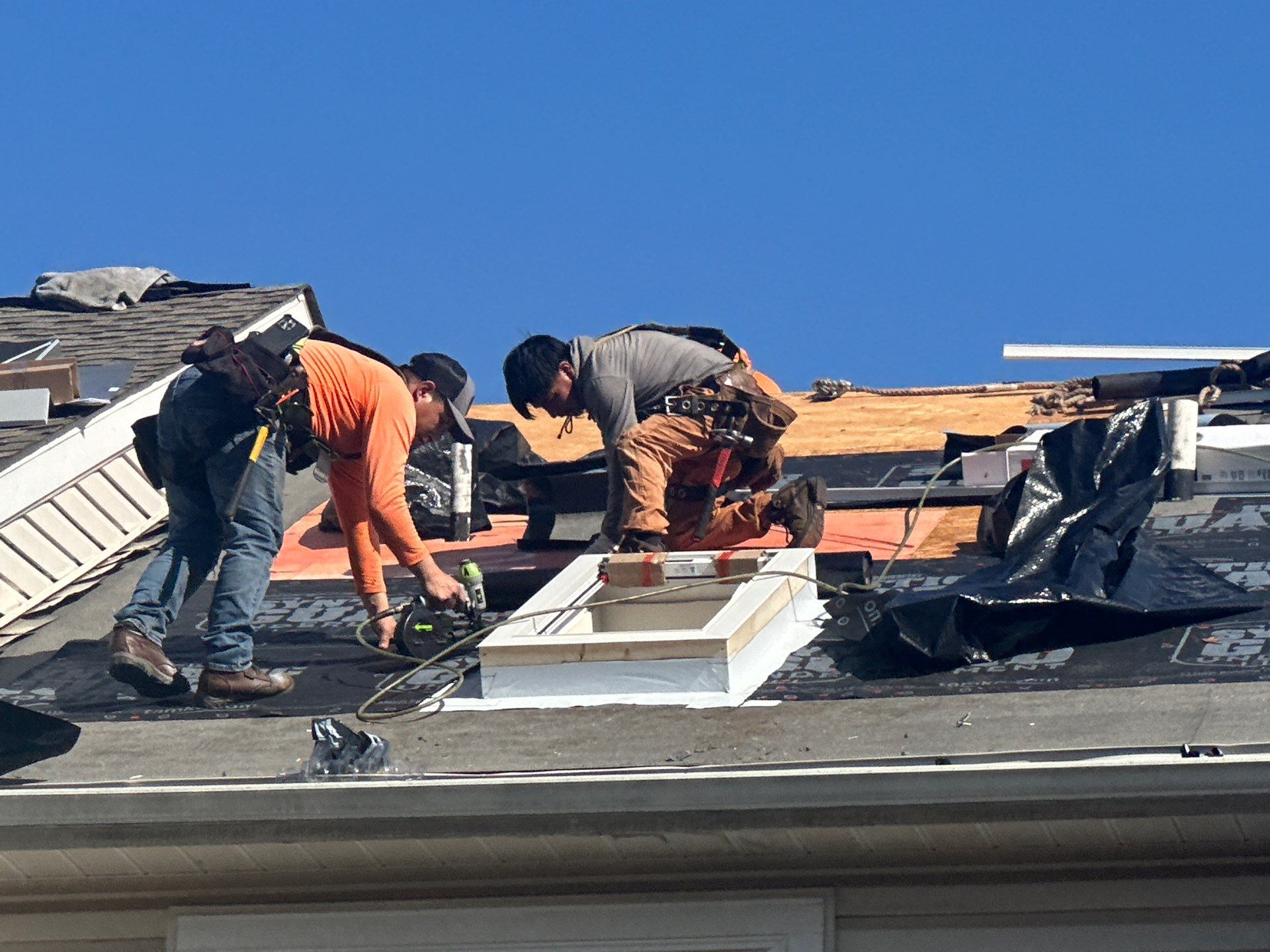
Schedule a Roof Inspection
A professional inspection can catch vulnerabilities you may not see from the ground, including:
- Loose or lifted shingles
- Nail pops
- Worn flashing around chimneys and vents
- Weak sealant lines
- Soft spots near valleys and roof edges
If you want a thorough evaluation, our roofing services include storm-readiness checks focused on the most common failure points.
Reinforce Common Leak Areas
Storm leaks often start around:
- Chimneys
- Skylights
- Plumbing vents
- Valleys
- Roof-to-wall transitions
Ensuring flashing is sealed and intact can prevent the kind of wind-driven rain intrusion that leads to ceiling stains and hidden rot.
Keep Gutters Clear
When gutters overflow during heavy downpours, water can back up under roof edges and behind siding.
Before storm season:
- Remove debris from gutters and downspouts
- Confirm downspouts discharge away from the foundation
- Check for sagging sections or loose fasteners
Upgrade Windows to Resist Wind and Water
Windows are a common weak spot during severe storms, especially if seals are failing or frames are aging.
Check for Air and Water Leaks
Look for:
- Drafts near window frames
- Condensation between panes
- Soft or discolored trim
- Visible gaps or cracked caulk
If you’re seeing these signs, upgrading to modern replacement windows can improve storm resistance, reduce water intrusion risk, and boost energy efficiency.
Secure Exterior Areas Around Windows
Even solid windows can leak if the surrounding areas fail. Make sure:
- Caulk lines are intact (not cracked or pulling away)
- Exterior trim is solid and not rotting
- Weep holes are clear (where applicable)
Make Sure Your Siding Can Handle Wind and Moisture
Siding protects your home from wind-driven rain and humidity — but only if it’s properly installed and maintained.
Watch for Loose Panels and Gaps
High winds can catch loose siding and peel it back, exposing the wall system underneath.
Inspect for:
- Loose or rattling panels
- Gaps at corners, seams, or around penetrations
- Warping, buckling, or cracked sections
- Peeling paint or swollen trim
If your siding shows these issues, it may not be storm-ready. Our siding services can help you reinforce protection and improve your home’s weather barrier.
Protect Against Hidden Moisture
Severe storms often expose moisture problems that already exist, especially around:
- Hose bibs and exterior outlets
- Window and door trim
- Rooflines and fascia boards
Stopping moisture intrusion early helps prevent mold, rot, and structural repairs down the road.
Reduce Storm Damage Risk Around Your Yard
Some of the worst storm damage comes from what’s near your home, not your home itself.
Trim Trees and Remove Dead Limbs
Overhanging branches can scrape shingles, puncture roofing, and damage gutters.
Before storm season:
- Trim limbs back from the roofline
- Remove dead or unstable branches
- Keep smaller trees staked if needed
Secure Outdoor Items
High winds can turn patio furniture, umbrellas, and yard décor into projectiles.
When storms are forecast:
- Store loose items inside or secure them tightly
- Anchor grills and heavy equipment
- Close and latch gates
What to Do Right After a Storm
Once the storm passes, quick action can prevent minor damage from becoming major damage.
Do a Safe Ground-Level Check
Look for:
- Missing shingles or debris on the roof
- Dented gutters or downspouts
- Loose siding pieces
- Broken window seals or cracked glass
- Branches resting on the roof
Avoid climbing onto the roof. Storm damage can make surfaces unstable.
Document Damage for Insurance
If you suspect storm damage:
- Take photos from multiple angles
- Note the date and time of the storm
- Save any visible damaged materials (if safe)
Schedule a Professional Inspection
Some storm damage is subtle — like bruised shingles from hail or lifted shingles that haven’t blown off yet. Those problems often lead to leaks weeks later.
A professional inspection can confirm:
- Whether repairs are needed
- The severity of damage
- Priority items to address first
A Strong Exterior Is Your Best Storm Defense
You can’t control summer storms — but you can control how prepared your home is when they arrive.
The best protection comes from:
- A well-maintained, properly sealed roof
- Windows that resist wind, water, and heat
- Siding that blocks moisture and stays secure under pressure
- Regular inspections before peak storm season
If you’d like help getting your home storm-ready, visit our contact page to schedule an exterior evaluation with Potomac Custom Remodel.